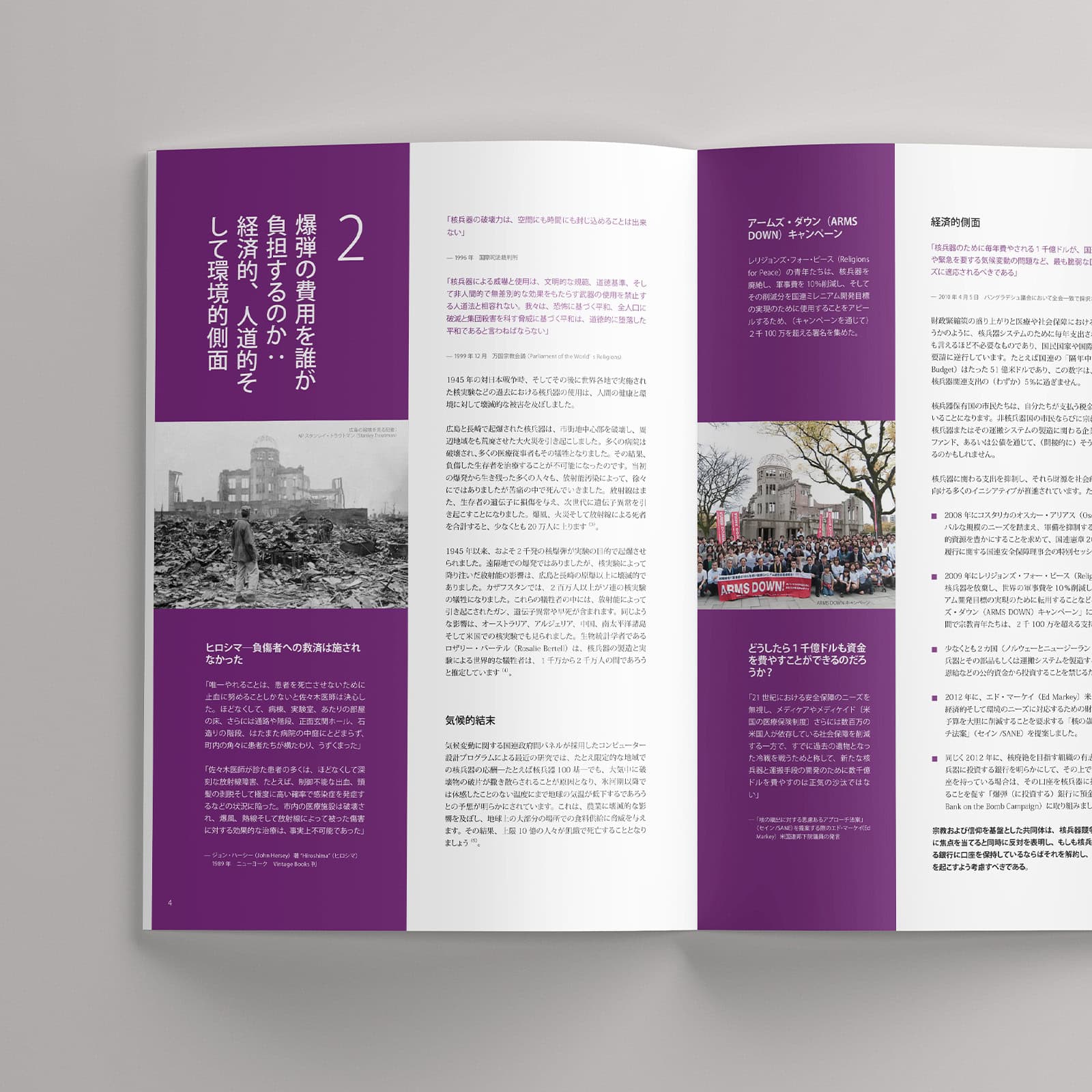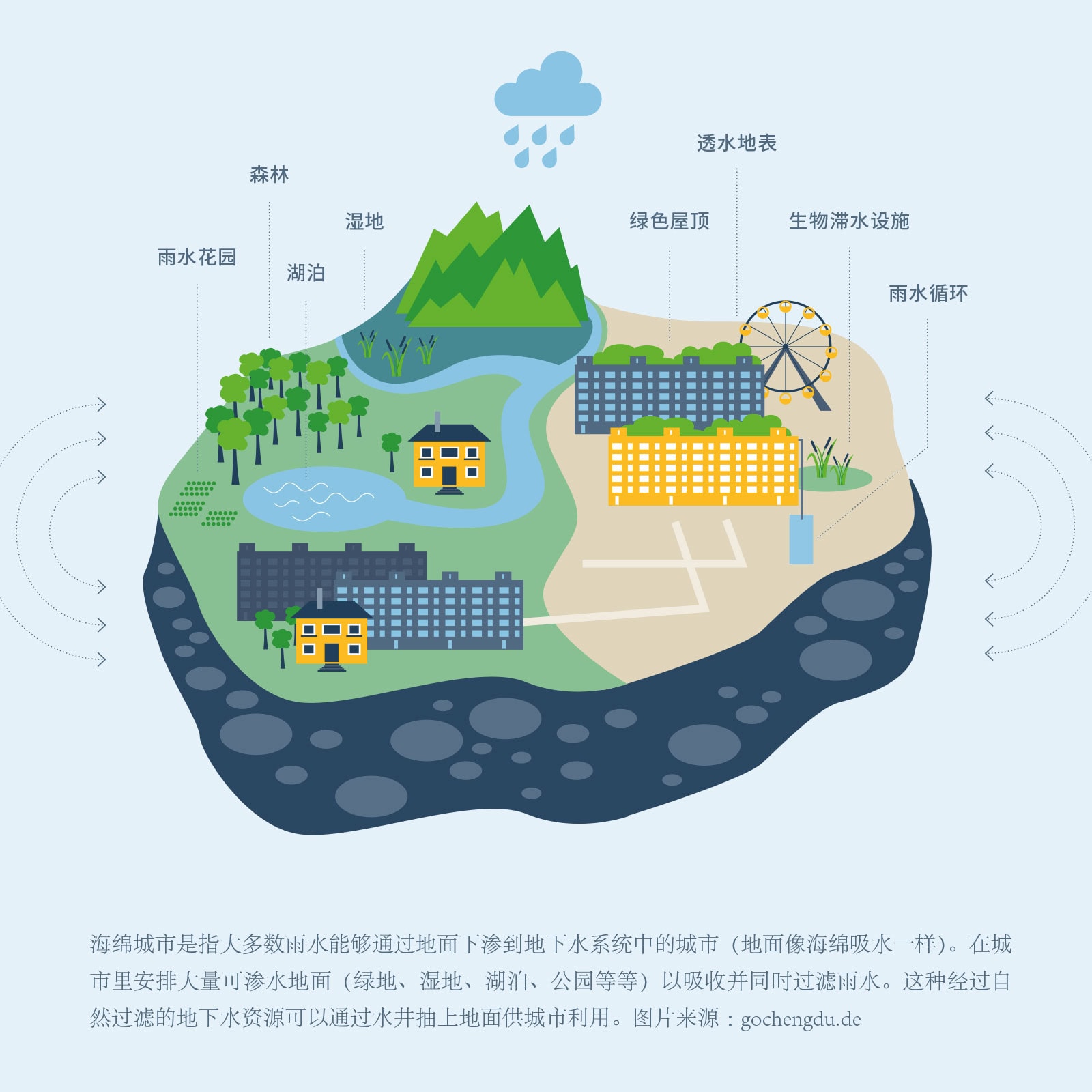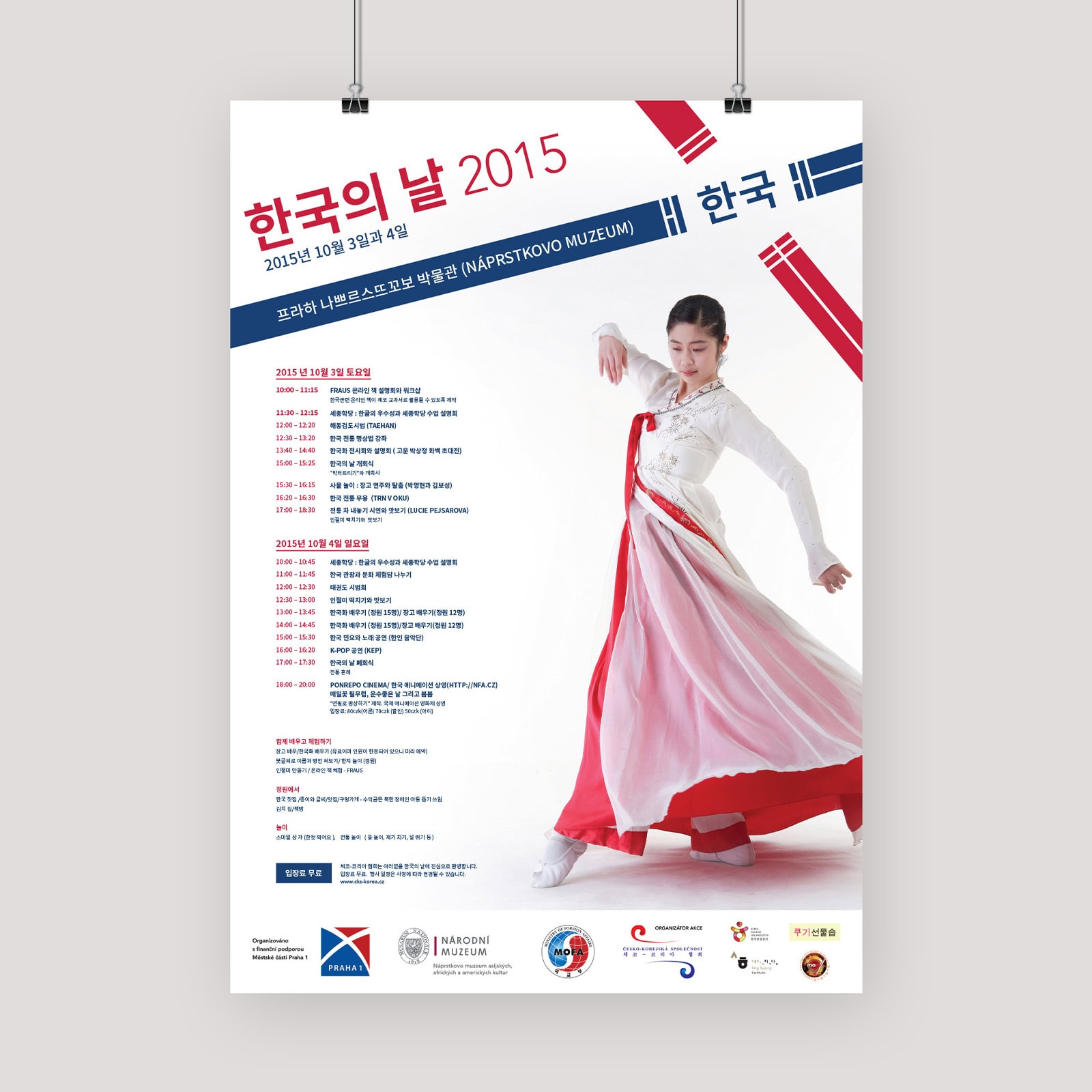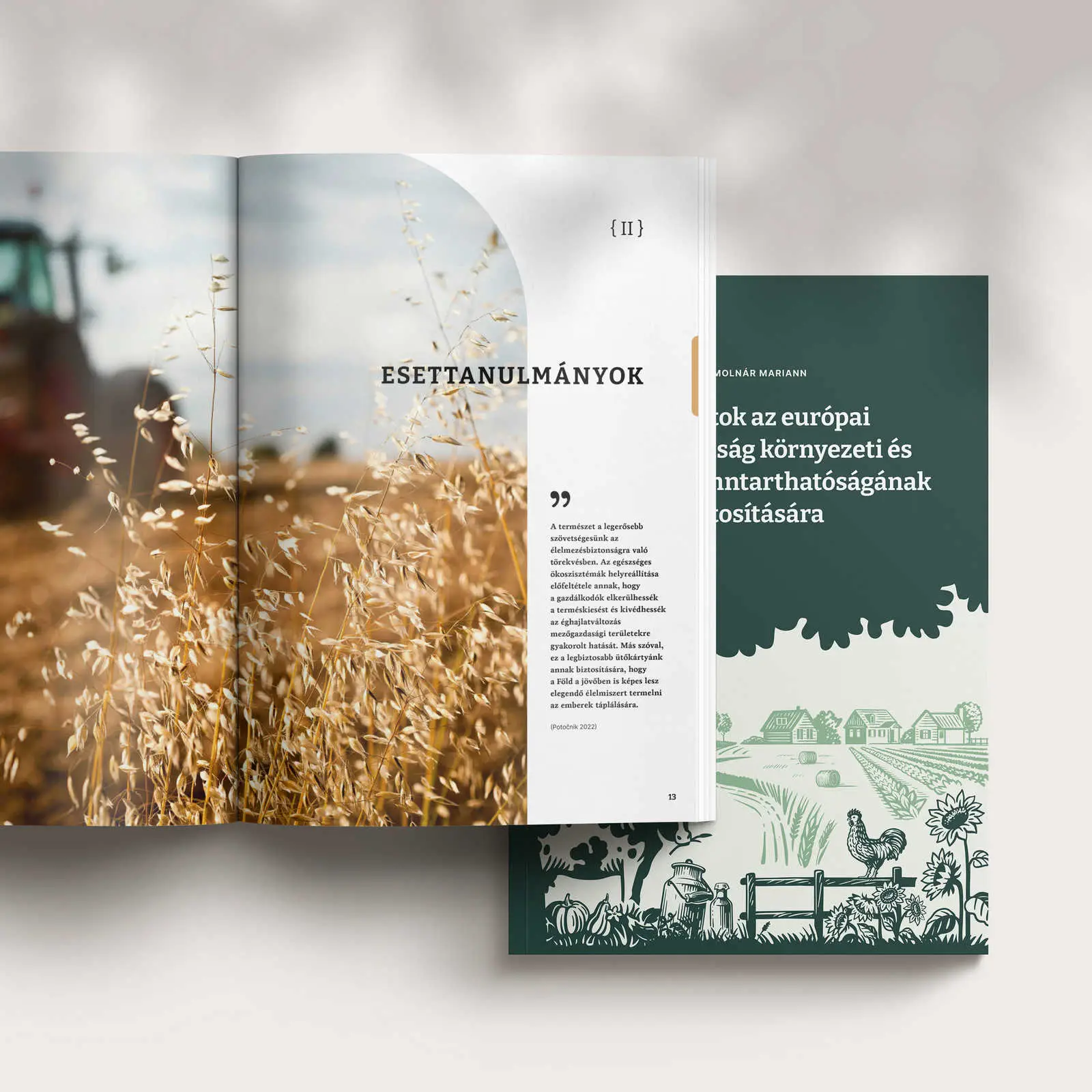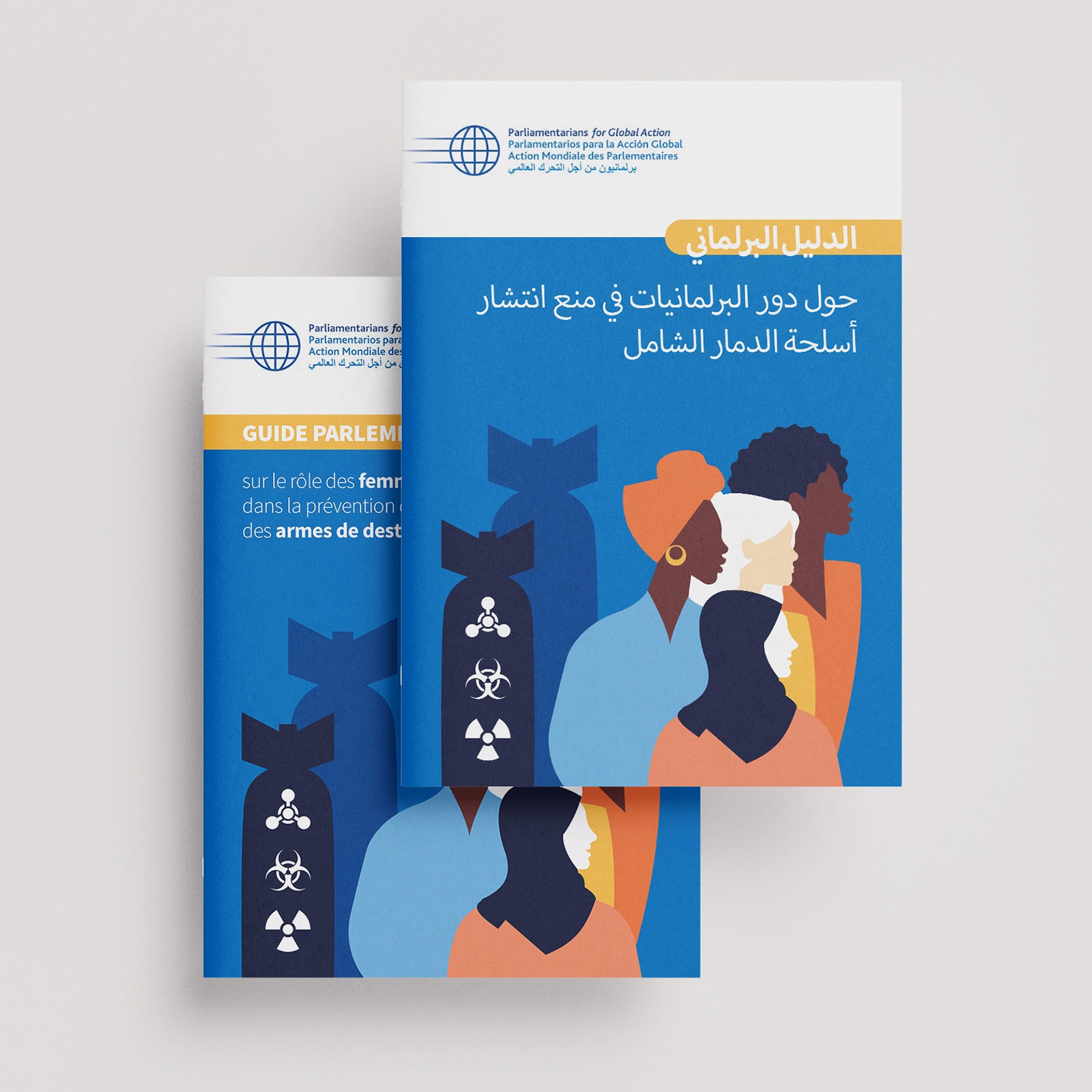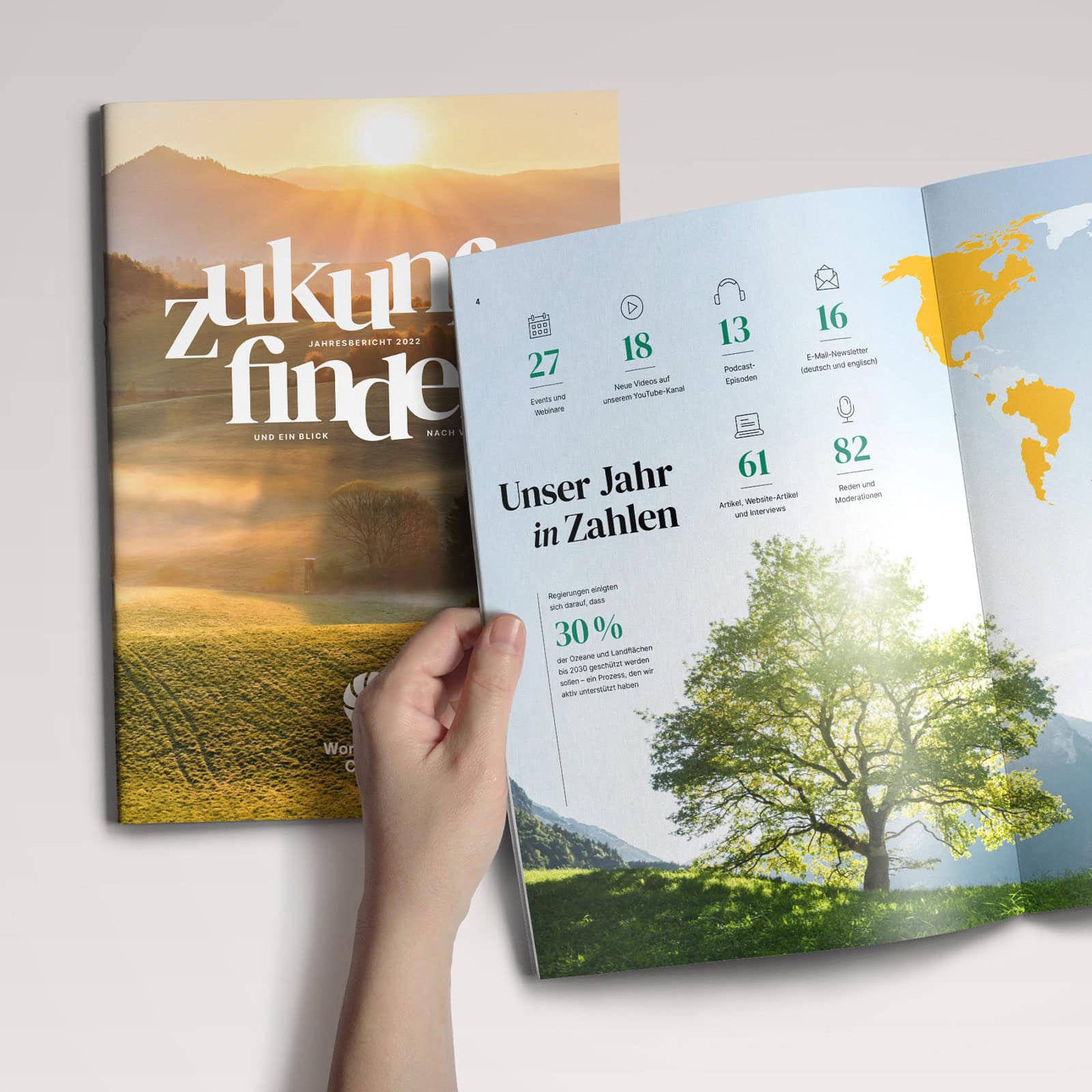
Reports, briefs, and handbooks designed across writing systems – Arabic, Chinese, Japanese, Hebrew, Korean, and more. Adaptations and originals alike, typeset with care for each script and audience.
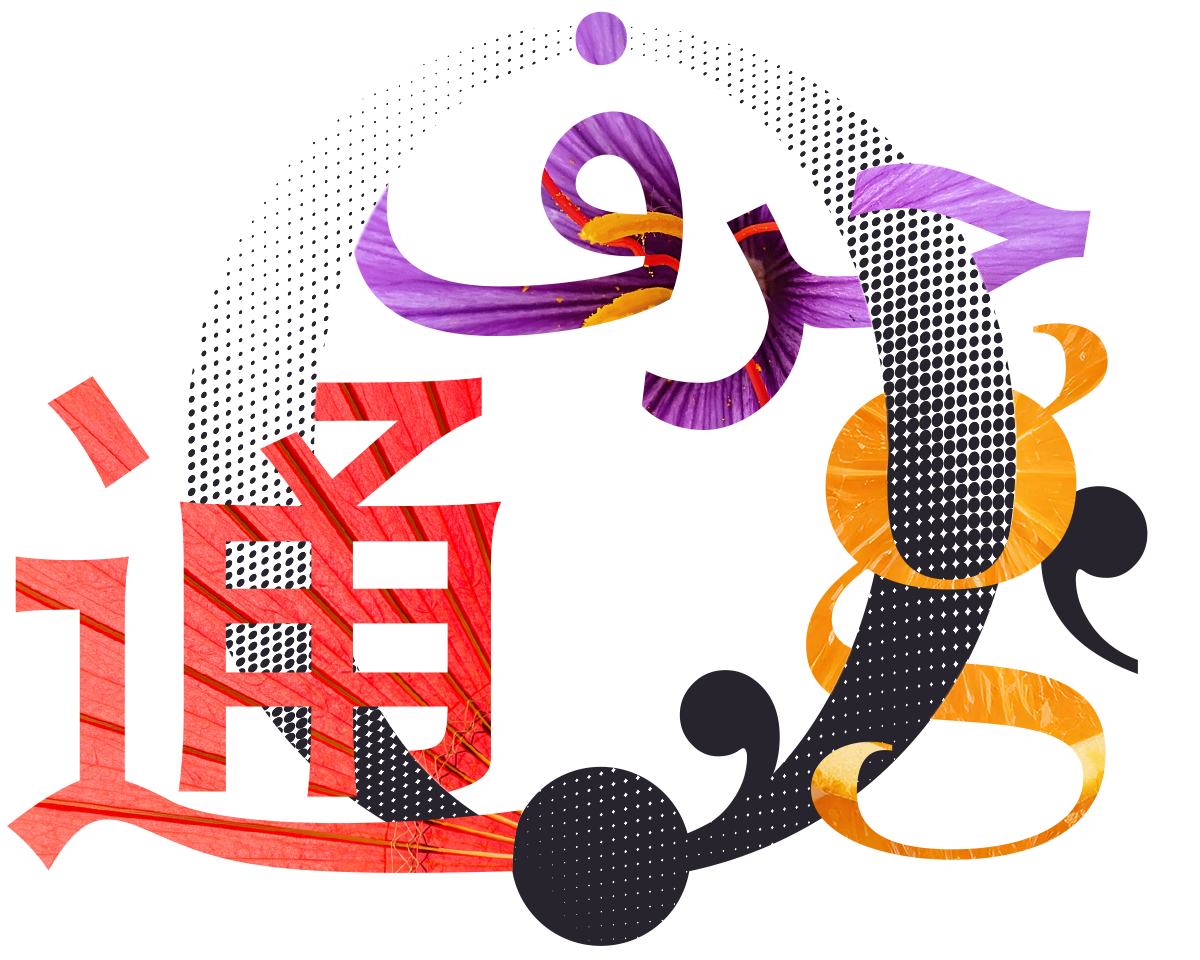
Swapping the text is the easy part. Different scripts come with different rules, and a layout that works in one language always needs some degree of adaptation when translated to another.
Arabic, Hebrew, and several other scripts read right-to-left. Not just on the page, but throughout the whole publication. The back cover becomes the front cover, and the whole layout needs to be flipped.
Chinese and Japanese characters take less horizontal space than Latin letters, but more vertical. Line heights, column widths, and paragraph rhythm need to be reconsidered.
Many design fonts have no non-Latin counterpart. The challenge is choosing typefaces that match across scripts in weight, character, and feel – not just the closest available substitute.
German often runs 30% longer than English. Arabic can run shorter. A layout designed tightly in English may overflow or look sparse in another language.
Punctuation, hyphenation, line breaks, and quotation marks all differ between languages. Following the right conventions is part of what makes a layout read naturally.
Most major scripts, including right-to-left languages, have native support in Adobe InDesign. Others may need to be handled with creative workarounds.
A few things worth knowing about how I approach multilingual publications.
I typeset everything the reader sees: charts and infographics, photo captions, pull quotes, covers, and graphics with embedded text, edited at source. Every element in the reader’s language, to one standard.
A publication should feel the same across its language editions. I preserve hierarchy, rhythm, and visual weight, so the Arabic reader and the English one meet the same design.
Some publications begin in English and grow into new editions, others are born in the language of your audience. I design both adaptations and originals in a wide range of languages and scripts.
I can work with all major writing systems, such as Japanese, Chinese, Korean, Arabic, Hebrew, Russian, and of course all Latin-script languages.
For Latin scripts there’s effectively no limit – most European languages are straightforward. For non-Latin scripts, the limit is usually what design software and fonts can handle, and I can sometimes work around that for writing systems that aren’t natively supported. If your language isn’t listed, ask.
No. I design according to each language’s typographic rules – text direction, line breaks, hyphenation, punctuation conventions. But quality multilingual work isn’t done blind: the final layout needs to be checked by someone who reads the language. That review happens on your side, typically by the translator, and it’s built into the normal revision process.
Adobe InDesign with full Unicode support is the main tool. Some scripts (such as right-to-left languages and complex East Asian scripts) need specific InDesign settings or the Middle East / World-Ready edition. For scripts not supported by Adobe, I can work around the limitations with custom workflows when needed.
Clean, proofread Word or Google Docs files with proper character encoding (UTF-8), one file per language. Images and graphics with text in them should be provided as separate, editable source files where possible. I’ll let you know exactly what’s needed when we discuss your project.
For original designs with no previous edition, we simply start from your manuscript in its primary language.
Revisions follow the same process as a single-language project, but per language edition. Comments are best marked directly in the relevant PDF using PDF commenting tools (a short guide is provided). For consistency, it helps when each language edition is reviewed by the same person or team across revision cycles.
I’d love to hear about it. Whether you have all the translated content ready or are still planning your editions, get in touch and we can talk through what makes sense for your project.
Or email me directly at info@hot-ice.eu
Studies, briefs, and white papers where the design needs to support detailed argument and dense content.
Editorial-grade design for annual reports that speak to stakeholders across multiple language editions.
Creative design to visualize serious data. Charts, concepts, and figures made readable for your audience.
Consultations on publication flow and infographic concepts before the design phase.